Thailand's Northeast, Clearly Explained
What's Really Driving Isan's Economy Right Now?
Woodlandatlask reports on the numbers, the policies, and the people shaping northeastern Thailand's economic life — no jargon, no hype.

Thailand's Northeast, Clearly Explained
Woodlandatlask reports on the numbers, the policies, and the people shaping northeastern Thailand's economic life — no jargon, no hype.
Most economic reporting in Thailand looks south toward Bangkok. We look northeast — because that's where a third of the country lives.
Isan accounts for roughly 34% of Thailand's population, yet economic coverage of the region in English is sparse. Woodlandatlask was built to fill that gap. We track labor migration patterns between Udon Thani and Bangkok, monitor agricultural commodity prices that directly affect household incomes in the region's provinces, and follow every policy debate in the National Assembly that touches rural workers and small-business owners. Our reporting is grounded in official data — from the National Statistical Office, the Bank of Thailand, and provincial government filings — interpreted plainly so you don't need an economics degree to follow along. If a new minimum wage order passes, we explain how it lands in a Nong Khai market stall. If the baht shifts, we show what it means at the petrol pump in Khon Kaen. That is the scale at which economics is actually lived.

Consistent, structured reporting across the topics that shape everyday economic life in the northeast.
GDP growth rates, inflation data, and national output figures — translated into what they mean for towns like Sakon Nakhon and Amnat Charoen, not just the Bangkok Stock Exchange.
From Udon Thani's expanding logistics hubs to Isan's small manufacturer ecosystem, we track who is investing, who is struggling, and what's shifting in regional trade flows.
Seasonal migration, factory employment in the eastern border zones, and the slow shift toward service-sector work — labor is where Isan's economic story is most personal and most consequential.
Agricultural subsidies, infrastructure budgets for the northeastern rail corridor, and social-protection schemes — we follow the legislation and measure the gap between announcement and delivery.
Energy costs, food prices, debt levels, and remittance flows back from Bangkok — the metrics that reveal whether ordinary Isan families are gaining ground or losing it month by month.
Woodlandatlask is the only English-language source I send to colleagues abroad when they ask what is actually happening economically outside Bangkok. The piece on seasonal wage suppression in Nong Bua Lamphu last October was particularly sharp — data-backed and written without condescension.
— Dr. Siriwan Kraipool, Development Economist, Khon Kaen University
Browse our full archive of regional economics reporting — sorted by beat so you find what you need fast.
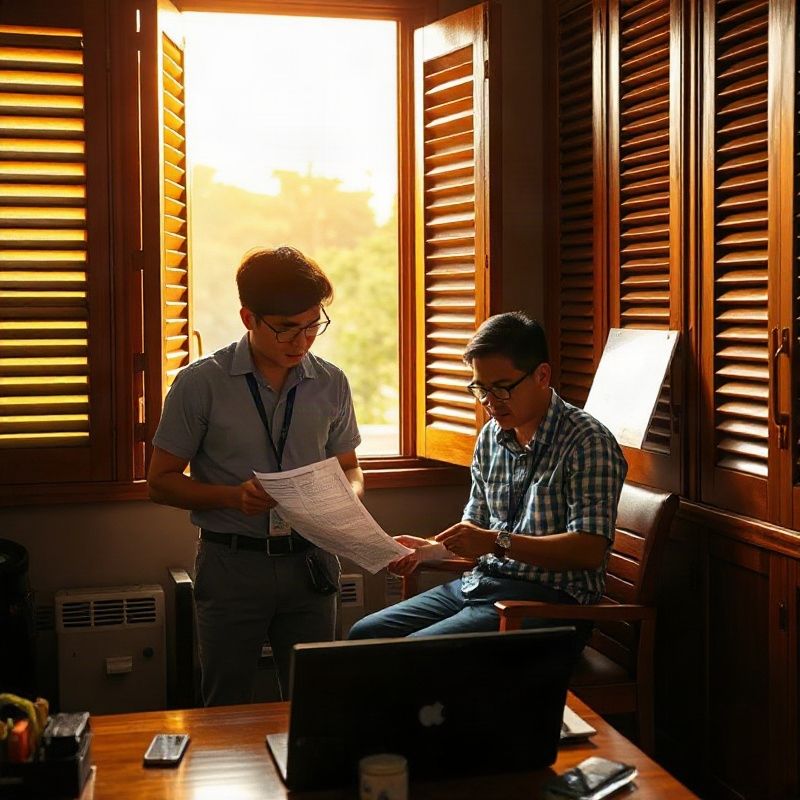
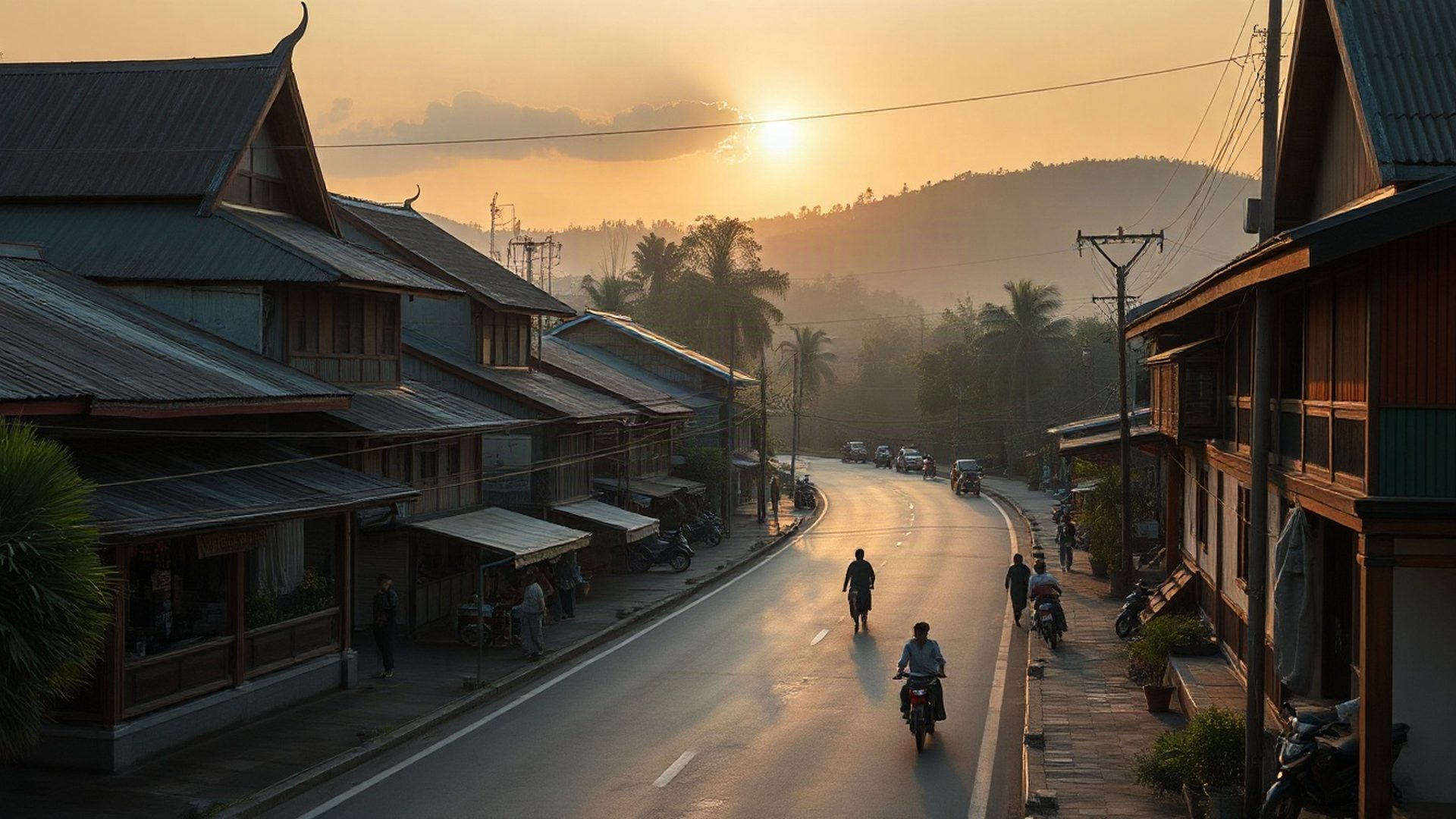
Working from Udon Thani means our reporters see the amber-gold light of the region's mornings and the afternoon markets firsthand.
There is something meaningful about a newsroom that is physically present in the region it covers. Our small editorial team works from Udon Thani, not from a shared desk in a Bangkok co-working space. We attend provincial budget announcements in person. We walk the weekend markets to check the price of pork and sticky rice against what the Consumer Price Index claims. The amber-gold tone of the northeast — the teak shophouses on Thanon Prajak, the dust-hazed harvest season skies — is the backdrop against which the numbers we publish are actually lived. That proximity doesn't make our reporting less rigorous; it makes it harder to dismiss inconvenient local detail in favor of a tidy national narrative.