
Labor Market
Why Udon Thani's Logistics Boom Isn't Reaching Its Warehouse Workers
Freight volumes are up. Worker incomes are not. Here is why the gap exists and who benefits from keeping it open.
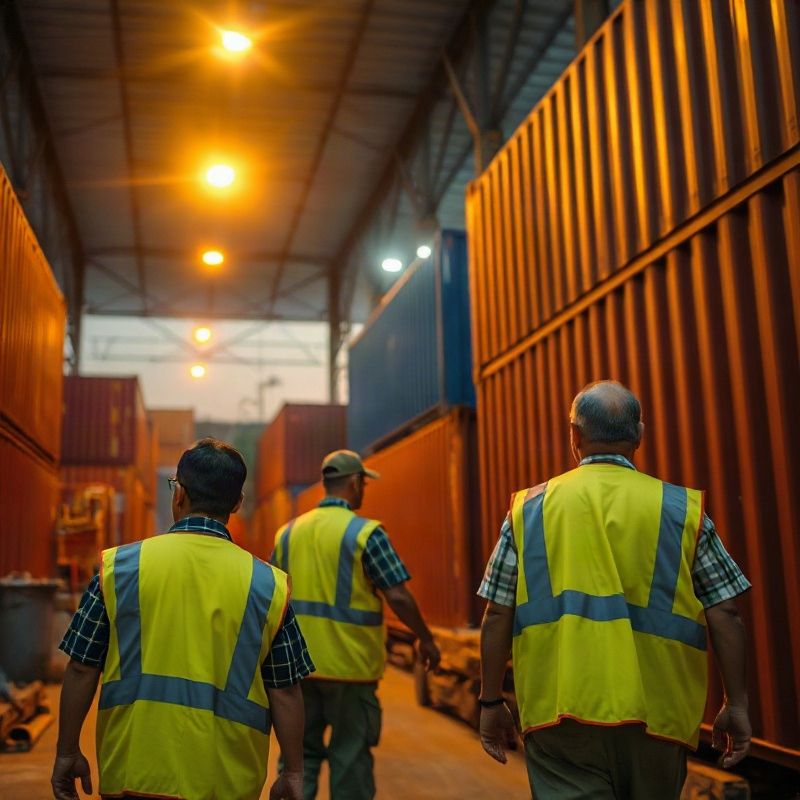
Udon Thani's inland container depot processed approximately 42,000 TEUs in the twelve months to March 2024 — an 18.3% increase on the prior year, driven by growing cross-border freight between Thailand and Laos via the Friendship Bridge. The depot's operator recorded record throughput fees. Three logistics companies that manage warehousing on the site posted combined profits up 22%. Yet the 1,400 daily-rate workers who load, sort, and label those containers saw their effective hourly compensation rise by less than 4% across the same period, failing to keep pace with a provincial inflation rate that ran at 5.1%. The discrepancy is not accidental. A combination of sub-contractor chains — where the depot operator contracts a staffing company, which in turn uses day-rate labor brokers — ensures that no single employer is legally responsible for wage-setting under the Labour Protection Act's Chapter 11 provisions. Workers are technically self-employed contractors, which also disqualifies them from the Social Security Fund contributions that formal employees receive. The result: a logistics corridor that functions as a regional economic success story in ministerial press releases, while the people doing the physical work remain below the poverty threshold the National Statistical Office sets for Udon Thani province. Until sub-contractor liability is written into Thai labor law, the structural gap between freight growth and worker income in Udon Thani is likely to widen, not close.